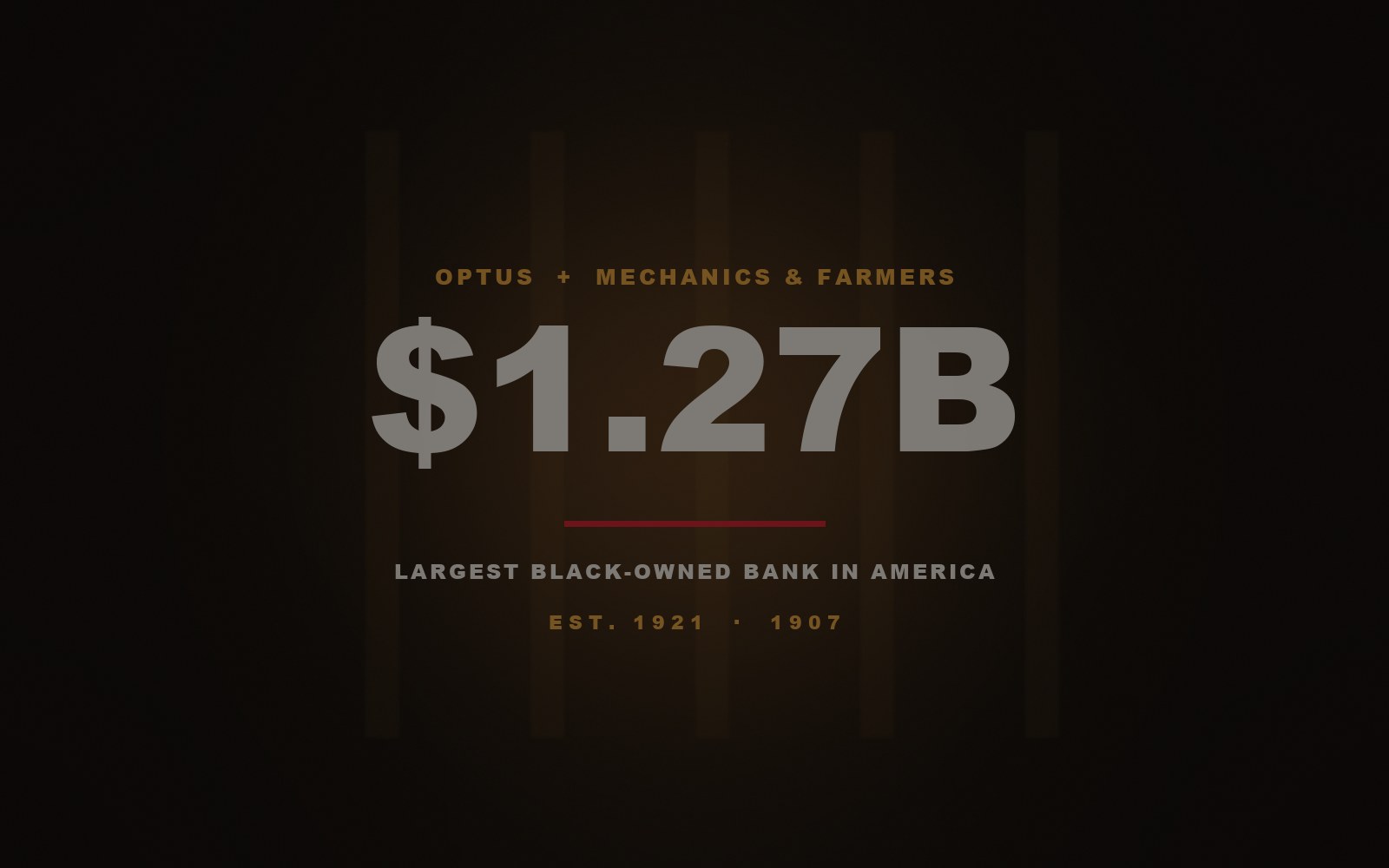
Two of the oldest Black-owned banks in America are joining forces. Optus Bank, based in Columbia, South Carolina, and Mechanics & Farmers Bank of Durham, North Carolina, have announced plans to merge into a single institution with roughly $1.27 billion in assets, which would make it the largest Black-owned bank in the United States. The transaction is valued at more than $105 million and is expected to close in the fourth quarter of 2026, pending regulatory approval and a vote by M&F Bancorp shareholders.
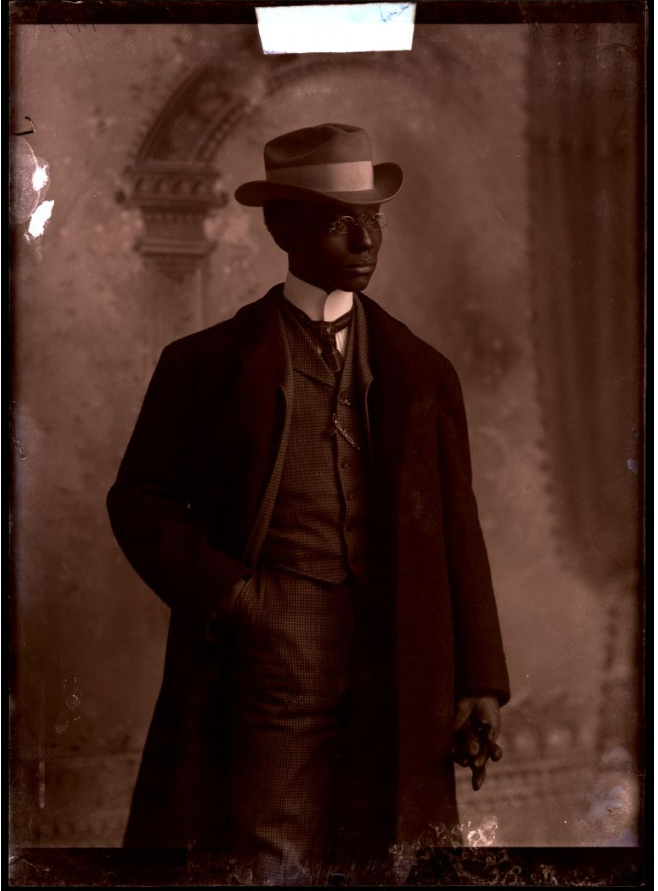
Both banks carry more than a century of history. Mechanics & Farmers opened in Durham in 1907, during the era of the city's own Black Wall Street, and has spent generations lending to Black families and businesses that the mainstream banking system was built to turn away. Optus traces its roots to Victory Savings Bank, founded in 1921 as the first Black-owned bank in South Carolina. Each is designated both a Minority Depository Institution and a Community Development Financial Institution, the federal categories for lenders that channel capital into underserved communities.
Under the deal, the combined company will operate under the Optus Bank name, with James H. Sills III, Optus's chief executive, leading the merged institution and Paul Mitchell serving as chairman. Mechanics & Farmers' seven branches will keep the M&F name for about two years before moving to the Optus brand, a nod to the loyalty those branches have earned across four generations.
“Black-owned banks have been vanishing for decades. This is the rare move in the other direction: two of the oldest joining forces instead of closing the doors.”
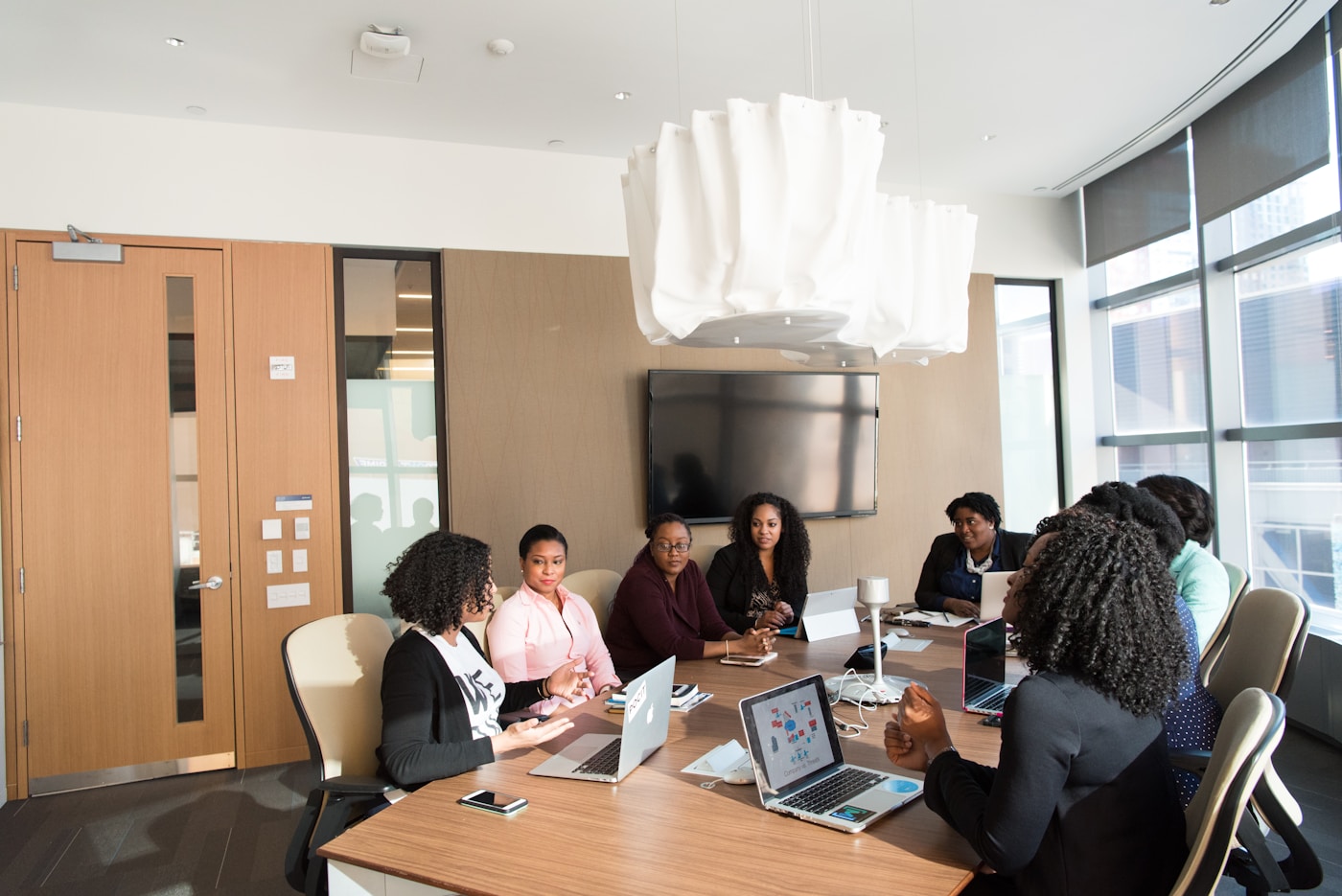
The direction of this deal is the whole story. The number of Black-owned banks in the country has fallen sharply over the past few decades, thinned by closures and by acquisitions that folded them into larger, non-Black-owned institutions. Here, two Black-owned banks are combining to get bigger on their own terms. Scale matters in banking: a larger balance sheet means more capacity for the mortgages, small-business loans, and deposits that build wealth in communities that have been denied all three for generations.
This is consolidation as strength rather than surrender. When it closes, it will stand as the largest Black-owned bank in the nation, and a reminder that ownership at scale is still possible in the one industry where it has been hardest to hold.
Editorial note
Edited and fact-checked by Sencera Yvonne against primary sources. We correct errors quickly: spot something wrong or out of date? Tell us. Read our editorial standards.